“Mine!” is one of the most common words in a toddler’s vocabulary. When it comes to toddlers sharing, it helps to know that grabbing and guarding toys is a normal stage of development, not a sign of a selfish child. With patience and lots of gentle practice, your little one can learn to take turns and enjoy playing alongside others.
Why sharing is hard for toddlers
Between 18 months and 3 years, children are just starting to understand that other people have feelings and wants of their own. They are also still learning to manage big emotions and wait for things. Asking a two year old to hand over a toy they are enjoying is asking for a skill their brain is still building.
Toddlers also live very much in the moment. “You can have it later” doesn’t mean much when later feels like forever. Understanding this can help you respond with empathy rather than frustration.
Turn taking comes before sharing
For toddlers, taking turns is usually an easier first step than sharing. A turn has a clear start and end, and your child knows the toy will come back. Over time, these small experiences of waiting and getting a turn build the trust and patience that true sharing needs.
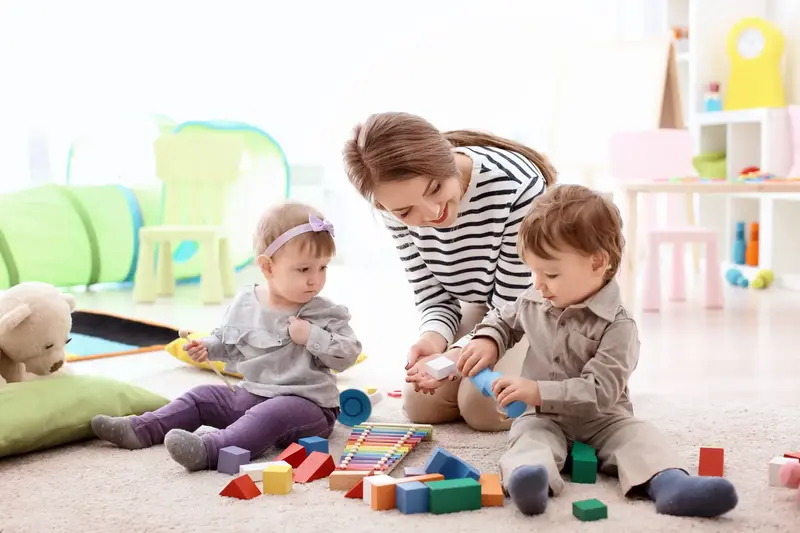
Young toddlers often play beside other children rather than with them. This side-by-side play is an important stage. Through it, children watch, copy and slowly begin to join in.
Practical ways to encourage toddlers sharing at home
- Play turn-taking games. Rolling a ball back and forth, stacking blocks one each, or taking turns to press a button all teach the rhythm of “my turn, your turn”.
- Use a simple timer. A sand timer or a short song can show your child when a turn is finished, which makes waiting feel more manageable.
- Name and notice kindness. When your child hands over a toy or waits, say what you saw: “You gave Ava a turn with the truck. She looks happy.”
- Model sharing yourself. Offer your toddler a bite of your apple or a turn with your pen, and talk about it as you do.
- Put special toys away before playdates. It’s fair for your child to have a few treasured things that don’t need to be shared.
- Offer more than one of popular items. Two buckets in the sandpit can prevent a lot of tears.
- Help with words. Teach simple phrases like “Can I have a turn?” and “When you’re finished, please.”
When things get grabby
Conflicts over toys will happen, and that’s okay. Stay close, stay calm and step in before things get physical if you can. Acknowledge both children’s feelings: “You really want the digger. Leo is still using it.” Then help them find a solution, such as a turn next, a different toy or playing together. Over time, your child will start to use these ideas on their own.
Try not to force your child to hand over a toy straight away. This can teach them that the bigger person always wins, rather than helping them learn how turns work. Instead, guide them to finish their turn and then pass it on.
Learning to play together at Nest
In our Toddler room, everyday play gives children plenty of chances to practise waiting, taking turns and playing alongside friends, with our educators there to guide them. Our Reggio Emilia-inspired program values children’s relationships and social learning as a natural part of the day.
If you’re a family in Keysborough looking for a warm place for your toddler to grow their social skills, we’d love to meet you. Book a tour or have a chat with our team on 03 9969 7057.