
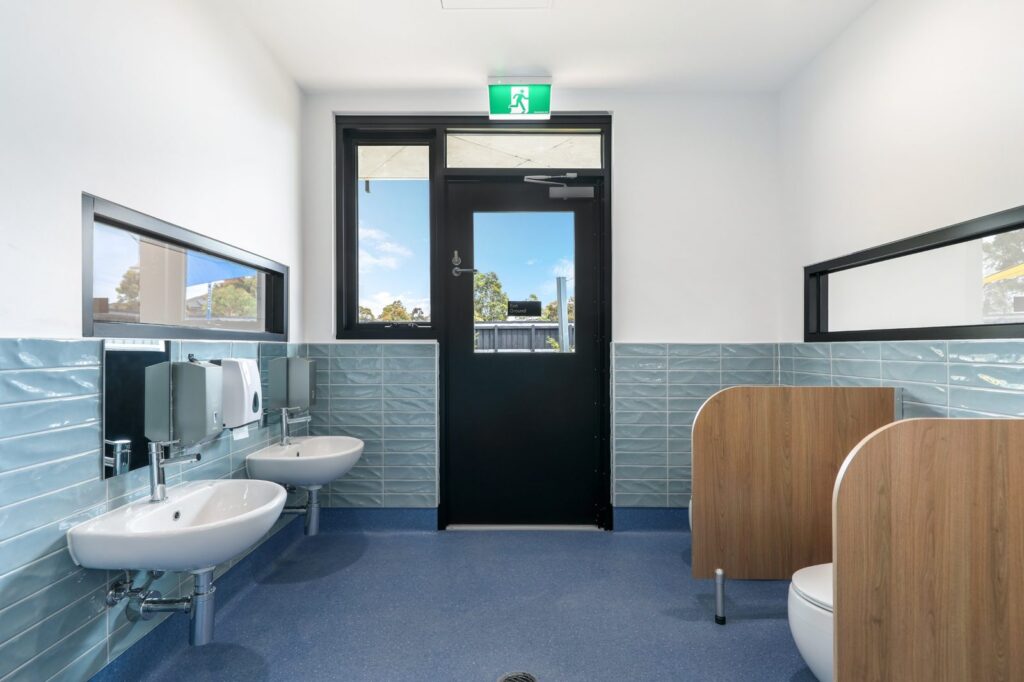
Handwashing is one of the simplest everyday habits that helps children stay well, especially when they spend their days playing, sharing and exploring with friends. Young children touch everything, and that is how they learn. The good news is that a few easy habits, practised at home and at childcare, make a real difference.
Why handwashing matters for little ones
Germs spread easily through hands, toys, tables and tissues. Children are still learning to cover coughs and keep fingers out of mouths, so clean hands are an important line of defence. The Better Health Channel, run by the Victorian Government, describes washing hands with soap and water as one of the most effective ways to reduce the spread of germs.
It is completely normal for children to pick up more bugs when they first start care. Building good hygiene habits early helps everyone, including siblings, parents and grandparents.
Clean hands are not about being perfect or keeping children away from mess. Messy, hands-on play is wonderful for learning. It simply means giving hands a good wash at the right moments so play can carry on happily.
When to wash hands
Make handwashing part of the natural rhythm of the day so it becomes automatic. Key times include:
- Before eating or helping prepare food.
- After using the toilet or having a nappy change.
- After blowing their nose, coughing or sneezing into their hands.
- After playing outside, in the sandpit or with animals.
- When arriving home from childcare, the park or the shops.
Making handwashing fun
Babies and young toddlers need an adult to wash their hands for them, and that is a lovely chance to talk through each step. By around three or four, many children can do most of it themselves with a reminder and a little help with the tap and towel.
Children are far more likely to wash well when it feels like a game. Try singing a favourite song that lasts long enough to scrub every part of the hands, including between the fingers, thumbs, backs of hands and under nails. A small step stool so they can reach the tap themselves builds independence and pride.
Other ideas that work well:
- Let your child choose a special soap or a fun hand towel.
- Pretend the soap bubbles are washing away tiny “germ monsters”.
- Model good habits yourself and wash hands together.
- Use a picture chart near the sink showing each step.
- Praise effort, not perfection, especially for toddlers.
Other healthy habits that help
Handwashing works best alongside a few other simple habits. Teach children to cough or sneeze into their elbow, to put used tissues straight in the bin and to keep their own drink bottle to themselves. Plenty of sleep, active play and nourishing food all support children’s general wellbeing too.
Drying hands well matters as much as washing them, so keep a clean towel within easy reach. Out and about, packing a small soap and water bottle or some wipes can help until you can get to a sink.
If your child is unwell, keeping them home to rest helps them recover and protects their friends. Every service has its own illness and exclusion policy, so check with your centre. For any questions about your child’s health or symptoms, speak with your GP or Maternal and Child Health nurse. The Better Health Channel is also a trusted place for general information.
Healthy habits at Nest
At Nest, handwashing is woven through our daily routines, from mealtimes prepared by our on-site chef to coming inside after outdoor play. Our educators model and gently guide these habits in every room, from the nursery through to kinder. You can read more about daily life and what we supply on our what we provide page, and find helpful guides in our parent resources. If you are a Keysborough family with questions about how we care for children day to day, please get in touch.


