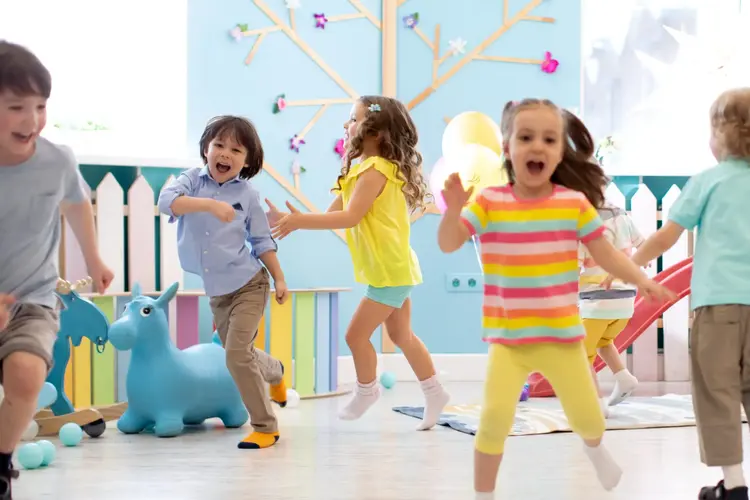
Put on a song and watch what happens. Babies bounce, toddlers sway and preschoolers invent whole dance routines. Music and movement for young children is joyful, but it is also one of the most natural ways they learn. Here is why it matters at every age, and how you can bring more of it into your week.
How music supports learning
Songs and rhymes are full of patterns, rhythm and repetition, which are exactly what young brains love. When children sing along, they hear the sounds that make up words, learn new vocabulary and practise remembering sequences. Clapping a beat or tapping a drum builds an early sense of timing and counting.
Music is also a wonderful way to connect. A lullaby can calm a baby, a silly song can turn a tricky moment around and a group singalong helps children feel part of something together.
Songs are handy helpers in daily routines too. A tidy-up song, a handwashing rhyme or a goodbye tune can make transitions smoother, because children know what is coming next. Many families find that a familiar song in the car or at bedtime becomes a comforting ritual that children ask for again and again.
Why movement matters at every age
Young children learn through their bodies. Rolling, crawling, jumping, spinning and balancing all build strength, coordination and body awareness. These skills lay the groundwork for later tasks like sitting at a table, holding a pencil and joining in at sport.
The Australian 24-Hour Movement Guidelines for the Early Years encourage plenty of active play every day, including energetic play for preschoolers. Dancing and movement games are an easy, fun way to get there, rain or shine.
Moving to music also helps children express feelings they may not yet have words for. A fast, stompy song can release energy, while a slow, floaty piece invites gentle, careful movement.
Music and movement for young children, by age
Every stage brings something different:
- Babies: sing to them during nappy changes and cuddles, gently bounce to a beat and offer safe shakers to explore sound.
- Toddlers: try action songs with simple movements, march and stomp to music and play stop-and-go games when the music pauses.
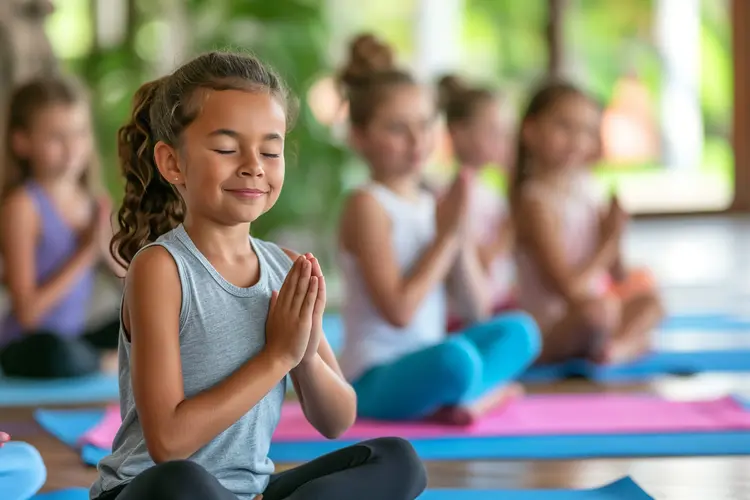
- Preschoolers: make up dances, move like different animals, try simple yoga poses and explore instruments, including homemade ones.
- All ages: keep it short and playful, follow your child’s lead and join in yourself. Your enthusiasm matters more than your singing voice.
Yoga, sport and calm bodies
Movement is not only about being busy. Simple children’s yoga teaches children to notice their breathing, stretch slowly and settle their bodies. These are useful skills for managing big feelings and winding down before rest time.
Sport and ball games, on the other hand, help children practise throwing, catching, kicking and taking turns. They also learn to follow simple rules, try again when things do not go to plan and cheer on their friends. Together, active and calm movement give children a balanced set of tools for feeling good in their bodies.
Music and movement at Nest
At Nest, music and movement are part of daily life in every room, from songs at group time to dancing in the yard. We also run weekly incursions in music, yoga, sports and arts at no extra cost, which bring fresh experiences and new ideas into the week. You can read more about them on our extracurricular program page, and see how they fit with our wider curriculum.
Our educators notice what lights each child up and build on it, whether that is a love of drums, a fascination with balancing or a favourite song requested every day. If you would like to see a typical day at our Keysborough centre, we would love to welcome you for a tour. Contact our team or call 03 9969 7057 to arrange a time.