Early maths isn’t about worksheets or sums. For three and four year olds, maths is found in sorting socks, setting the table and counting steps on the way to the car. Everyday maths for preschoolers is simple, playful and something you can start today.
Why early maths matters
Children who feel comfortable with numbers, shapes and patterns tend to approach maths with confidence later on. In the preschool years, the goal isn’t to rush ahead. It is to build a strong understanding of ideas like more and less, big and small, first and last, and what comes next.
These ideas grow best through hands-on experiences. When children touch, move and talk about real objects, maths starts to make sense.
The good news is that you are already doing more maths with your child than you realise. Every time you talk about who is taller, how many sleeps until a birthday or which cup holds more water, you are building mathematical thinking. The trick is simply to notice these moments and talk about them out loud.
Counting in everyday moments
Counting is about more than reciting numbers in order. Children also need to learn that each number matches one object, and that the last number they say tells them how many there are altogether.
Try these ideas at home:
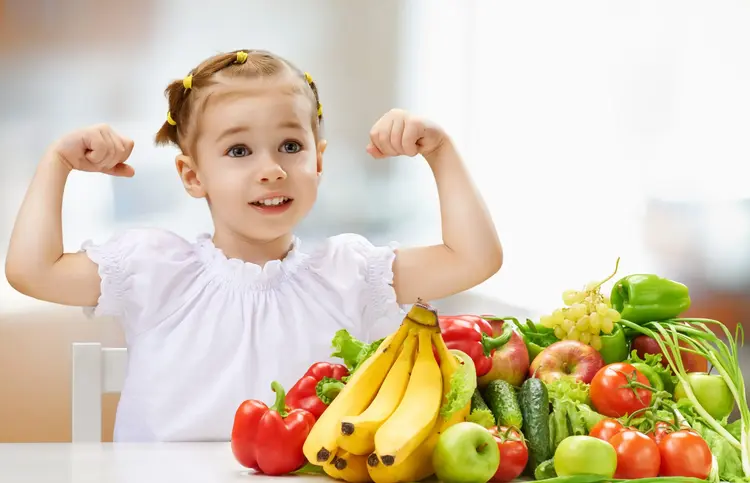
- Count pieces of fruit as you pop them into a bowl, touching each one as you go.
- Count stairs, jumps or claps together.
- Ask your child to fetch a set number of things, such as three spoons for the table.
- Compare groups: “Who has more grapes, you or me?”
- Sing counting songs and rhymes, such as “Five Little Ducks”.
- Count down before something exciting, like “three, two, one, go” at the park.
Exploring shapes and space
Shapes are all around us. Point them out as you go about your day: round plates, square windows, rectangle doors and triangle roofs. Ask your child to go on a shape hunt around the house or at the shops.
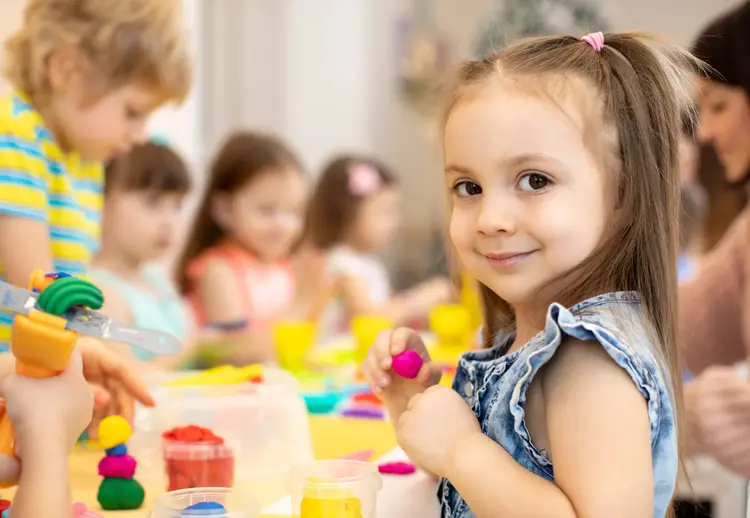
Play with shapes in a hands-on way, too. Cut sandwiches into different shapes, build with blocks and boxes, or make shapes from play dough. Puzzles are excellent for spatial thinking, as children turn pieces to see how they fit.
Use position words in everyday talk, such as on, under, behind, next to and between. “Can you put your shoes under the bench?” is a small maths lesson in disguise.
Spotting and making patterns
Patterns help children predict what comes next, which is an important part of mathematical thinking. Start simple and build up as your child gets confident.
- Make patterns with coloured pegs, blocks or pasta: red, blue, red, blue.
- Clap or stamp a pattern and ask your child to copy it.
- Notice patterns on clothes, tiles and fences.
- Talk about patterns in your day, like breakfast, then teeth, then getting dressed.
- Ask “What comes next?” and let your child have a go.
Music is another great way to explore pattern, as songs often repeat words, beats and actions.
Keep it light and fun
Short, playful moments work better than long lessons. If your child loses interest, move on and try again another day. Mistakes are part of learning, so if they count “one, two, five”, simply count again together. Your relaxed, positive attitude towards maths will help your child feel that numbers are something to enjoy.
Maths and play at Nest
At Nest Early Learning in Keysborough, maths is woven through play in our Pre-Kindergarten room for children aged three to four. Children count, measure, sort and build as part of their everyday learning, and our STEM and enrichment programs add even more chances to explore. Even mealtimes with food from our on-site chef become moments to count and share. If you would like to learn more about our three year old kinder program, get in touch to book a tour or chat with our team.