

Toilet training is a big milestone, and many parents wonder when the right time is to start. The good news is that there is no single right age. Every child gets there in their own time, and the process tends to go more smoothly when you wait for signs that your toddler is ready.
When do toddlers usually start toilet training?
Many children show signs of readiness somewhere between 2 and 3 years of age, though some start a little earlier and others a little later. Both are completely normal. Starting before your child is ready can make the process longer and more stressful for everyone, so it is worth watching for cues rather than focusing on a date.
It can also help to choose a calm time to begin. Big changes such as a new baby, moving house or starting a new room in care can unsettle toddlers, so you may want to wait until things feel settled.
Signs your toddler is ready
Readiness is a mix of physical, emotional and communication skills. You might notice your toddler:
- Stays dry for longer stretches, such as an hour or two, or wakes from a nap dry
- Tells you, or shows you, when they have done a wee or poo in their nappy
- Seems uncomfortable in a wet or dirty nappy and wants it changed
- Shows interest in the toilet or in what older children and adults do
- Can pull their pants up and down with a little help
- Can follow simple instructions, like “Let’s go to the toilet”
- Wants to do things independently and is proud of new skills
Your child doesn’t need to show every sign. A few of these, together with a general interest, is often enough to start gently.
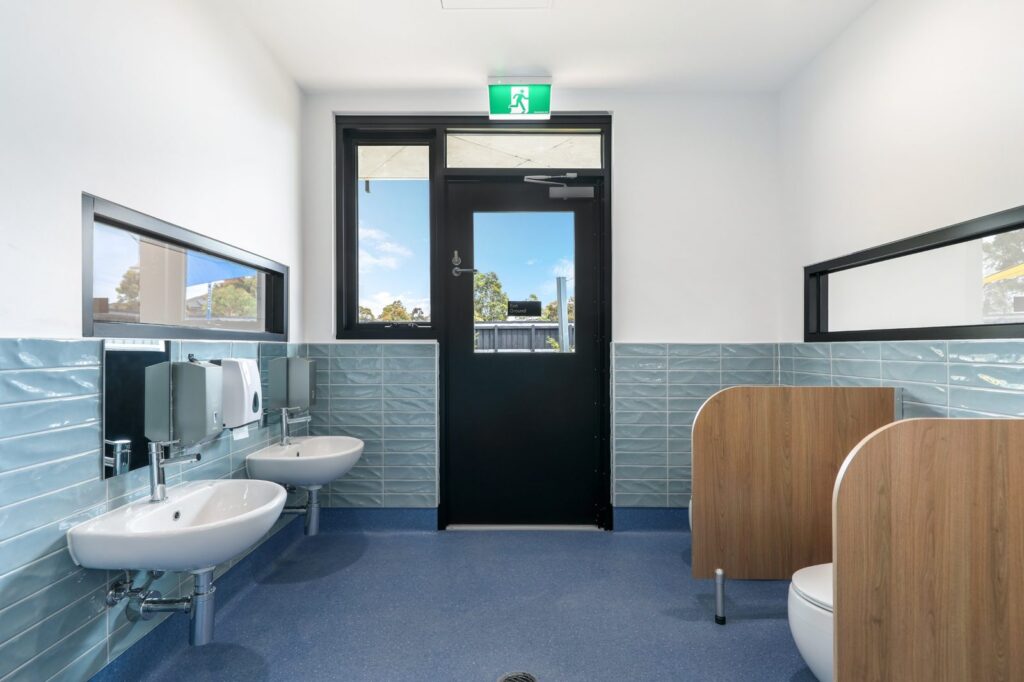
Simple tips for getting started
Keep toilet training relaxed and positive. Some ideas that can help:
- Read picture books about using the toilet and talk about it in a matter-of-fact way.
- Dress your toddler in clothes that are easy to pull down, such as elastic-waisted pants.
- Offer regular, gentle reminders, for example after meals, before going out and after waking.
- Praise the effort, not just the result. Sitting on the potty is a win.
- Expect accidents and respond calmly. They are part of learning, not a step backwards.
- Teach handwashing as part of the routine from the very beginning.
If your toddler resists or seems upset, it is fine to pause for a few weeks and try again later. Night-time dryness often comes much later than daytime dryness, so there is no need to rush that part. Raising Children Network has a useful, step-by-step guide to toilet training, and your Maternal and Child Health (MCH) nurse or GP can help if you have any concerns, such as constipation or pain.
How home and childcare can work together
Toddlers learn best when the approach is consistent. If your child is in care, let your educators know when you are thinking about starting, and share the words you use at home, such as “wee”, “poo” or “potty”. Talking about routines, rewards and what to do with accidents means your child hears the same messages wherever they are.
It is also helpful to pack plenty of spare clothes while your child is learning. Our what to pack guide has a handy checklist. And keep communication flowing both ways: a quick note about a good morning or a tricky afternoon helps everyone support your child.
Toilet training support at Nest
At Nest, nappies are included, so you don’t need to send them in while your toddler is still in nappies or in the early days of learning. Our educators in the Toddler room work alongside families to follow each child’s lead, celebrate small wins and keep things positive. You will see updates through our parent app, so you know how your child is going during the day.
If you would like to chat about toilet training or see how our Toddler room in Keysborough supports children through this stage, book a tour or call our team on 03 9969 7057.


